


Montana Dinosaur Center
Bynum, MT

2027 Dates
June-August | Open Daily
Can't make it this year? Register for next year's dig!
Customize this trip with your own travel dates or itinerary before or after this dig!
x
All Ages (minors must be accompanied by an adult)
Space is limited to 10 per session
Participation is subject to availability and is at the full discretion of the dig location. Prices and dates dates subject to change. All Terms + Conditions apply.
<< Go back to Paleontology digs mainpage
About the Montana Dinosaur Center Paleontology Dig
One of the most important dinosaur sites in the United States, The Montana Dinosaur Center sits within the abundant fossil-bearing area of the Two Medicine Formation. It was here that the very first dinosaur nests, eggs and baby dinosaurs in the western hemisphere were first discovered, which transformed the way paleontologists thought about how dinosaurs cared for and reared their offspring.
Twenty-six new species (and counting) have been discovered in the area near the Montana Dinosaur Center. The first being Montana’s state dinosaur: Maisaura or “good mother lizard,” so named from the dinosaur bones and nesting area found in 1978.
In 2020, a new bonebed with the fossilized remains of dinosaurs like Tyrannosaurs, Duckbilled dinosaurs and Armored dinosaurs was discovered, and dig participants today will take part in the excavation and scientific research at this site.
The Montana Dinosaur Center is a museum with professional staff that clean and prepare your discoveries. Fossils from the digs become part of their permanent collection, which already includes the very first nesting baby dinosaur discovered in the world and the world's longest dinosaur, listed in the Guinness Book of World Records—a skeletal model display of a 137-foot long Seismosaurus.
Fossils found: Maiasaura, Daspletosaurus, Einiosaurus, Scolosaurus and Bambiraptor
Period: Cretaceous
Formation: Two Medicine
All the digs featured on Ancient Odysseys are non-profits and rely upon visitors and donations to continue their important scientific work. Please consider donating if you would like to support this organization's mission. All donations are tax deductible.


What to Expect while Excavating Dinosaurs at the Montana Dinosaur Center

Expeditions at The Montana Dinosaur Center are perfect for families and are designed to make the best use of the time you are spending with us. There are two different expeditions available—a half-day site visit or full-day excavations—so there’s something for everyone!
Hear a firsthand account of what it's really like to join a dig at the Montana Dinosaur Center
Click here for more details on what to expect on a paleontology dig.
Full-Day Expeditions at the Montana Dinosaur Center | What's Included

Full-day digs of 1 or more days
-
9am-4pm
-
$250 per day
Join The Montana Dinosaur Center for one day or one week and help us to excavate dinosaur fossils from a prolific dinosaur bonebed in the Two Medicine Formation. Unlike other dig locations, this is an active excavation and you are guaranteed to find and dig up dinosaurs. All our prticipants are an integral part of the team, as you help us to find and dig up dinosaurs, working right alongside research professionals and staff. All participants will be involved in our current excavation which involves at least four different species of dinosaurs that lived about 75 million years ago. Join us for one day or more for a truly hands-on experience. And who knows? Maybe you’ll even unearth a new species of your own!
We provide all the tools you need to dig up dinosaur bones. There is no experience required on digs at The Montana Dinosaur Center and we accept participants of all ages. The day starts at 9am at The Montana Dinosaur Center, where you’ll be driven to the day’s location. You’ll learn about the local and geologic history on the way and once we arrive out in the field, that’s when the fun really begins. We’ll teach you all the techniques and tricks of the trade such as current paleontology principles, fossil excavation techniques, jacketing and transporting fossils safely. You’ll also learn how to properly record and document the finds you make.
What's Included
-
All tools, equipment and training are provided
-
Transportation to and from the dig site
-
Lunch and beverages
-
Guided tour of the Montana Dinosaur Center Museum
No accommodations are provided in the cost. However, the small town of Choteau nearby has a pleasant hotel and a campground.
Half-Day Expeditions at the Montana Dinosaur Center | What's Included

Half-day Expedition
-
9am-noon
-
$125
For a taste of what it’s like to be a paleontologist. This is a site tour only and does not involve any digging, but you will see plenty of dinosaur bones! we teach you about how we find dinosaurs, recognize dinosaurs, how we look for dinosaurs. Site tour and you get to see dinos in the ground. You are guaranteed to see bones. You don't have to get your hands dirty. Maybe for people passing through from one park to the other...See an actual bonebed and what bones looks like before they are excavated.
What's Included
-
Site tour
-
Transportation to and from the dig site
-
Water
What to Bring for Montana Dinosaur Center Expeditions

The weather in this part of Montana can be very changeable. Whether you are going out for a half-day or multiple days, please be prepared with:
-
Long pants
-
Sunscreen
-
Wide-brimmed hat
-
Bug spray
-
Sunglasses
-
Camera
-
Snacks
-
Close toed shoes
-
Car seats for children under age 6
-
Your enthusiasm!
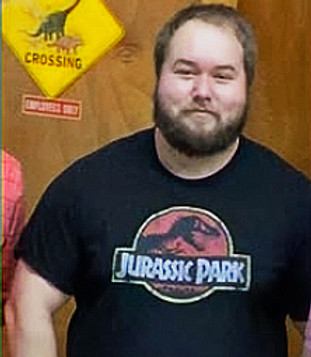
Dustin Warford—Interim Executive Director—Montana Dinosaur Center
-
What makes this site significant?
Our bonebed has produced thousands of elements from different dinosaur species. Between the different types of duckbill dinosaurs, carnivorous dinosaurs, and the armored dinosaur found at the site, it serves as an amazing representation of what life was like in this area seventy five million years ago. And among those finds, we've seen evidence of what could be new species to science, or at the very least expanding the physical and temporal range of different dinosaurs. We now know that at least one of them represents a group of dinosaurs not seen yet in America. -
What has been most surprsing about your discoveries here?
I think the most surprising aspects of our site comes down to just how much was preserved, and how much we're able to gather from this site. The bones are remarkably well preserved for the formation we're digging in, and even though they are all scattered and jumbled up, we're seeing the presence of many diagnostic bones for revealing the identity of these dinosaurs. -
What are your current research objectives?
Our aim is to get a research paper out describing the bonebed in review. It will explain our current thoughts on what happened here when these dinosaurs died, a more precise dating of the site, and what dinosaurs are represented. The primary focus being the latter, so that we can go ahead and establish the presence of certain dinosaurs in this area. -
What has been the most important or rewarding find at this site?The most important finds of our site currently are for our hadrosaurs, the duckbill dinosaurs. I am thrilled to announce that the majority of the diagnostic material we have prepared belongs to a new crested dinosaur. Of which we have part of its jaw, its cheek, and a crest from two individuals. We also have one partial crest attached to a braincase, and one full, beautifully intact crest belonging to a different individual. Beyond that, there are pieces belonging to several other types of dinosaurs that we are excited to further research.