

How fossils are discovered
Dinosaurs continue to fascinate the public but movies and shows make dinosaur fossil discoveries appear almost effortless. Unlike movie depictions and even AI images, full fossilized skeletons aren’t just sitting on the ground waiting to be discovered. In real life it takes years of careful detective work, patience, and a whole lot of luck. Paleontologists don’t just wander around and stumble upon dinosaur fossils. They start with geology, maps, and a walking for miles with a well-trained eye.

Where the wild things are
The first step to finding dinosaur fossils is to know where dinosaurs actually lived and died. Scientists study rock layers called strata to find the right age and type of rock—usually sedimentary rocks like sandstone and mudstone formed in ancient rivers, lakes, or floodplains.
If you’re wondering “Where can I find dinosaur fossils?”, that’s the real key: you need rocks from the age of dinosaurs, at the surface, in places where erosion is slowly exposing them. That’s why areas such as Mongolia, China, Patagonia and US states like Montana, Wyoming, Utah, Colorado and Dakotas keep showing up in documentaries and fossil-hunting shows.
When and where the dinosaurs lived and died
By now everyone knows that in the Jurassic Period, there were dinosaurs. But, the Jurassic had neither the oldest nor some of dinosaurs depicted in Jurassic Park. most well-loved dinosaurs. as being a dinosaur-rich period but that’s neither the oldest dinosaurs or the most notable. Here’s a run-down of the dinosaur ages

Triassic Period from 252-201 million years ago
This is when dinosaurs first appeared, but were not yet the dominant land animal on the supercontinent Pangea. Triassic dinos were early theropods like Coelophysis and Herrerasaurus, and early herbivores like Plateosaurus and Eoraptor. These Triassic dinosaurs are found in Argentina and Brazil, Petrified National Forest, Germany, Switzerland, Greenland, The Karoo Basin in South Africa and China.

Jurassic Period from 201-145 million years ago
Often called the "Age of Giants," this period saw massive sauropods and early birds. The climate became more humid as continents broke apart. Dinosaurs like Stegosaurus, Velociraptor, Archaeopteryx, Apatosurus and Diplodocus lived. Fossils of these giants have been found in the famed Morrison Formation in Wyoming, Montana, Colorado and Utah. They also lived in Germany, Switzerland, China, Morocco and Argentina.
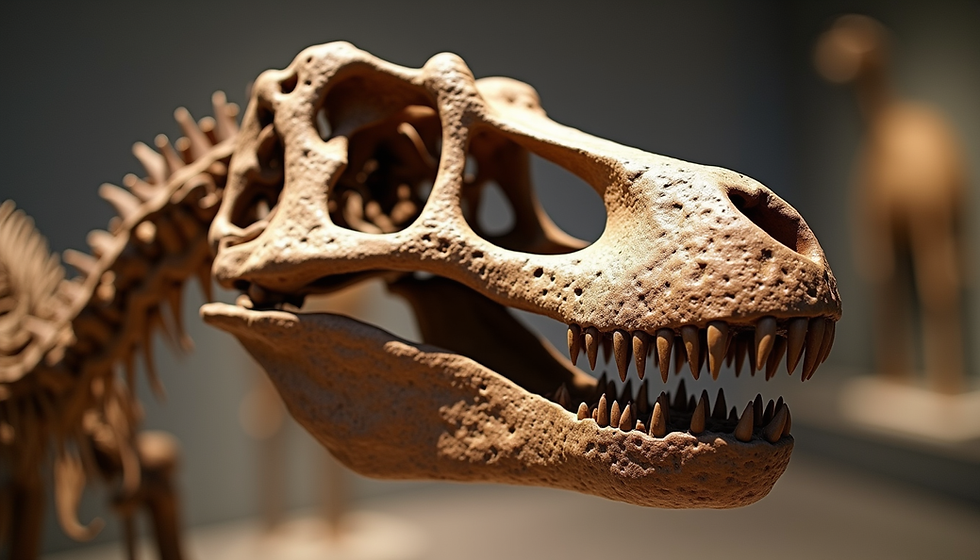
Cretaceous Period from 145-66 million years ago
This was the rise and fall of dinosaurs. Did you know that many of the most well-loved dinosaurs actually came from the Cretaceous and not the Jurassic! The T. rex, Triceratops, Ankylosaurus, Pachycephalosaurus, and Giganotosaurus lived and roamed in many parts of the world. Alberta, Canada, and the states of Montana, Colorado, New Mexico are good Cretaceous dinosaur hunting grounds. Australia, China, Mongolia, and Africa were also dinosaur-rich. Europe has a plethora of Cretaceous dinosaurs from France, Spain, Germany and England.
Finding and discovering dinosaur fossils
Now that you know where the dinosaurs actually lived, just like paleontologists, you know where to look. Paleontologists spend weeks and months “in the field” each year. They travel to the area where they hope to find new bones and they begin to prospect.

Prospecting is the “hiking around” phase you sometimes see in dinosaur series where paleontologists walk slowly over badlands or open hillsides, eyes scanning the ground. They’re looking for pieces of dinosaur fossil weathering out of slopes. Winter snows and rainy seasons cause the Earth to erode. In the badlands in particular, layers of dirt have been wearing away over long periods of time, exposing dinosaur fossils. Sometimes, just a tiny fragment on the surface can be the clue that leads to a larger fossil still buried in the rock. It’s tedious, sun-baked work—nothing like the fast cuts and dramatic music of Jurassic Park—but it’s how most important dinosaur dig sites start.
Can you discover dinosaur fossils?
If you’re asking “Where can I find dinosaur fossils?” you are in luck! As a beginner, your best bet is to join an organized dinosaur dig led by accredited paleontologists in a known fossil region and you're in the right place!
You’ll be trained on how to spot fossils, provided with the tools to unearth and collect dinosaur fossils and experience the true feeling of discovery that comes with finding a dinosaur that no human has ever laid eyes on. It may be slower and more meticulous than what is portrayed in dinosaur movies and TV shows, but it is far more rewarding when you have a hand in discovering something from millions of years in the past.


Comments